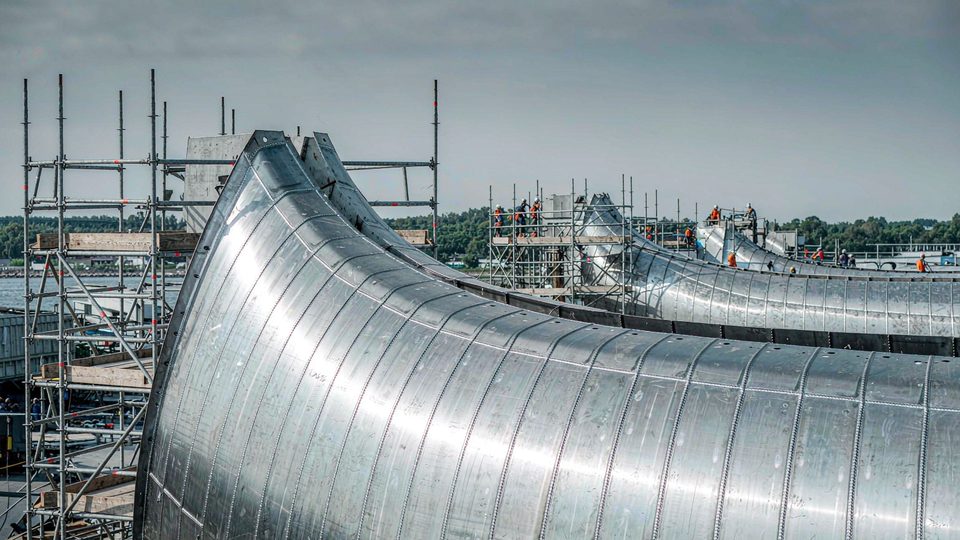
Marine & Offshore
Constant seawater immersion, salt spray and humidity cycling. Number one criterion is seawater corrosion resistance plus weld reliability — and class approval is usually mandatory.
- CCS, DNV, ABS, LR, BV class approval available
- Filler wire 5183 / 5356 for joint strength retention
- 3–50 mm stocked, widths up to 2,200 mm
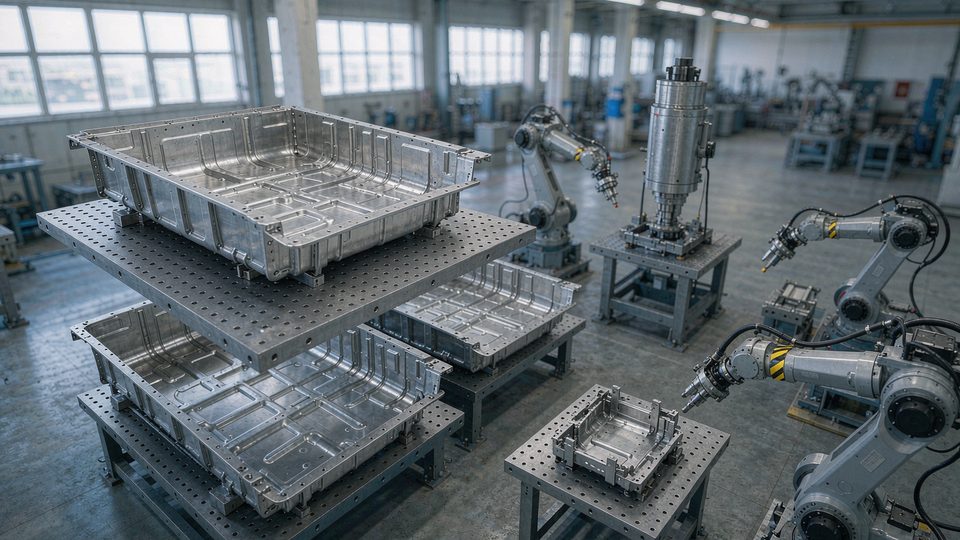
Automotive & Rail
The main arena for lightweighting. Combustion vehicles need fuel tanks and closures; EVs centre on battery housings, trays and cold plates; commercial vehicles add tank bodies and trailer panels.
- IATF 16949 supply chain with PPAP documentation
- 5754 offers higher strength than 5052 for load-bearing parts
- Cut-to-length slitting to reduce your scrap
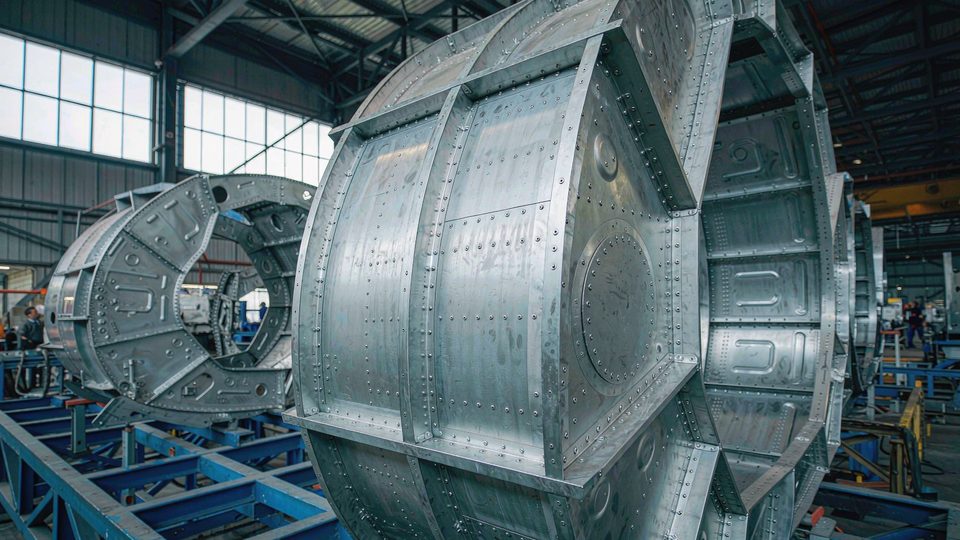
Aerospace
Strength-to-weight and fatigue life dominate. Requires heat-level traceability, AMS specification supply, and usually ultrasonic inspection plus fracture toughness data.
- Conforms to AMS 4045 / AMS 4341
- Ultrasonic inspection to ASTM B594 Class A
- Melt records, spectrometer data and heat-treat curves retained
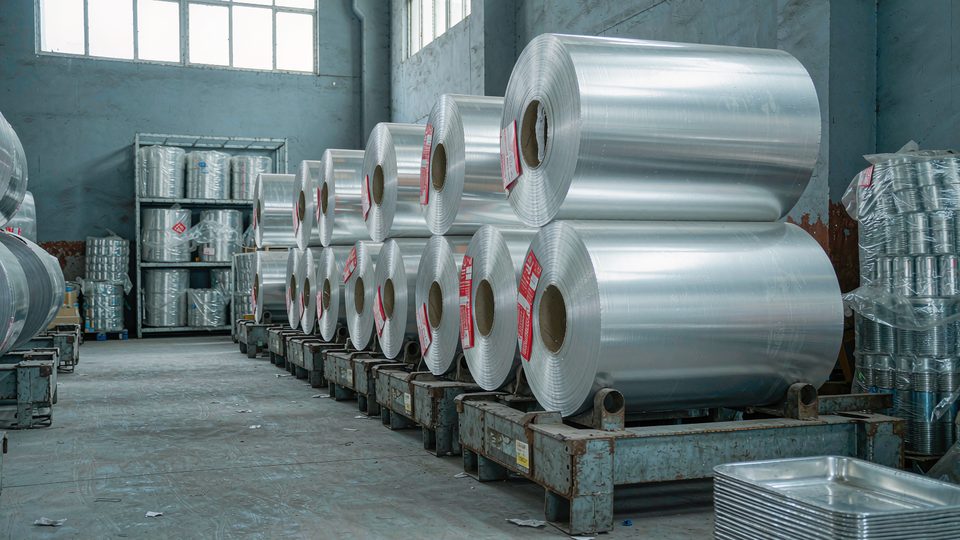
Packaging & Containers
Split into pharmaceutical and food lines. Pharma controls pinholes and bioburden; food cares about barrier performance and formability — both must satisfy food-contact material regulations.
- Down to 0.006 mm with controlled pinhole count and test report
- Compliant with EU 10/2011 and FDA 21 CFR food contact
- Coated and printed foil customisation available

Architecture & Cladding
Curtain walls need flatness and weathering resistance for PVDF coating; roofing needs formability and wind uplift resistance, usually in Al-Mg-Mn standing seam; ceilings and interiors are judged on surface finish.
- PVDF and PE roller coating available
- Anodising, brushing and filming with batch colour control
- Flatness and thickness-tolerance reports for curtain wall stock
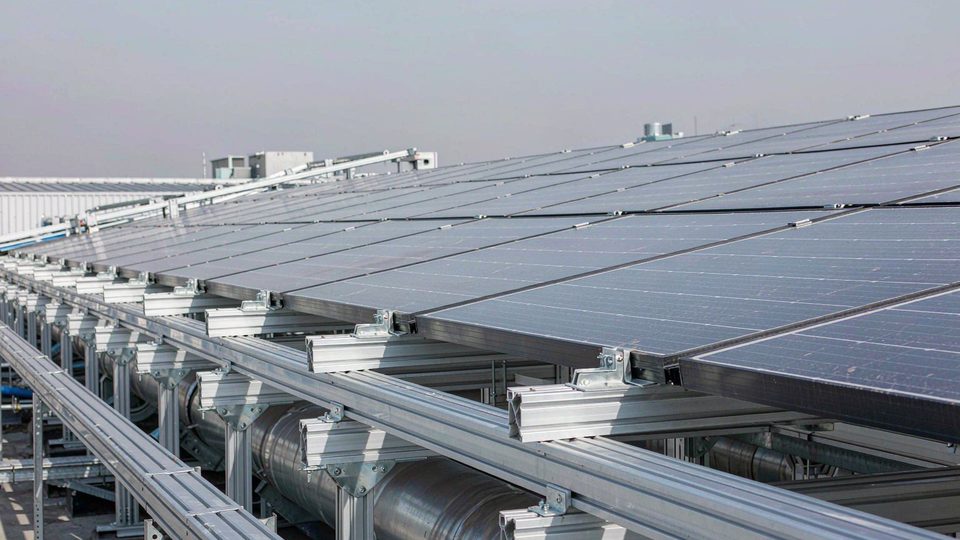
New Energy & Solar
Solar demands dense anodic film and 25-year weathering life; storage needs structural strength; lithium battery foil lives or dies on thickness uniformity and surface cleanliness.
- Anodic film graded at 10 μm / 15 μm, controllable
- Battery foil thickness within ±3% for coating lines
- EN 1090 / CE documentation for structural members
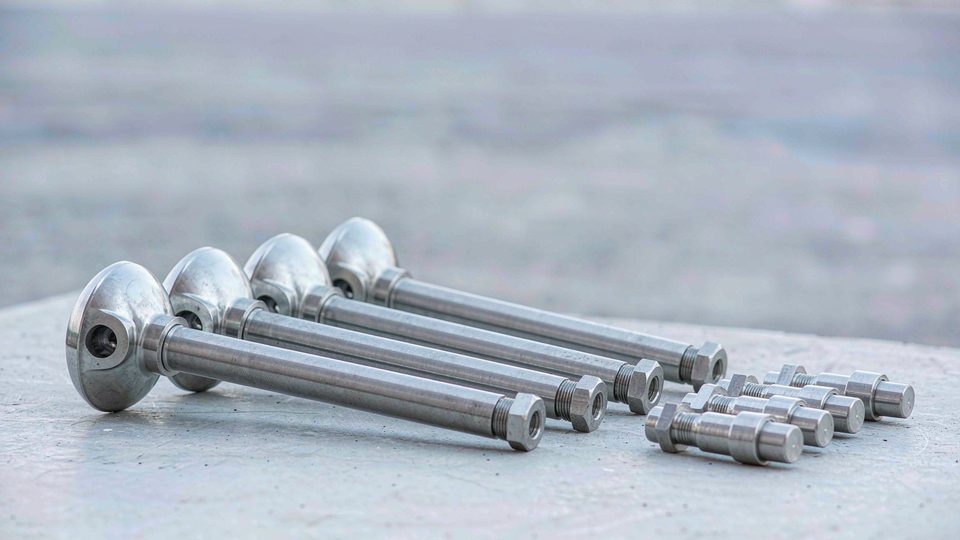
Battery Terminals & Cell Parts
Conductivity governs the terminal, so 1060 is the grade. Burst discs and top covers need welding and forming, so they switch to 3003 — two selection logics inside the same pack.
- Finished parts typically ±0.03 mm; rod ±0.05 mm
- Ultrasonic cleaning and dust-free packing to battery-grade cleanliness
- PPAP documentation pack available, Cpk ≥1.33 supported
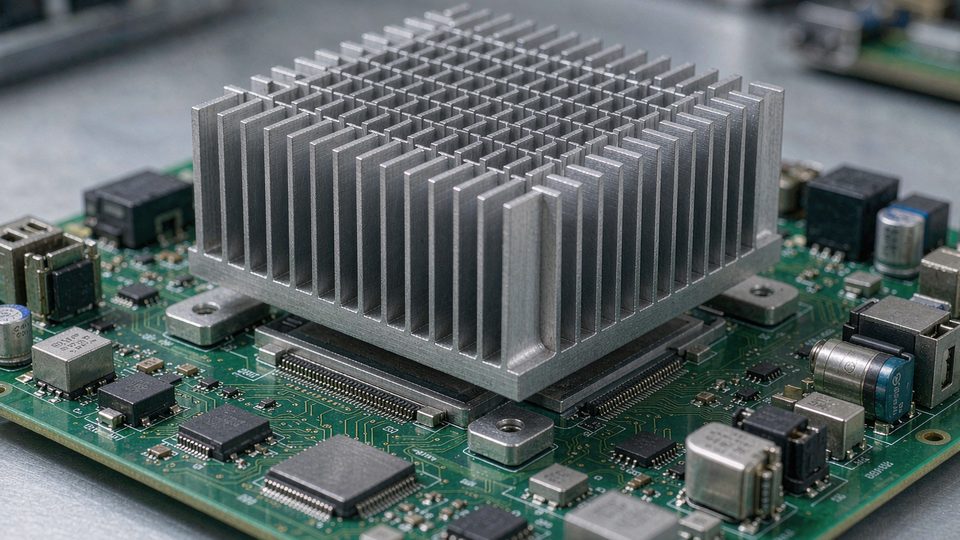
Electronics & Thermal
Conductivity, thermal conductivity and surface cleanliness are everything. 5G base stations, IGBT heat sinks, capacitor cans and phone mid-frames all live here.
- Measured conductivity ≥61% IACS for 1060 / 1070
- RoHS and REACH compliance statements available
- Degreased and cleaned to electronics-grade cleanliness
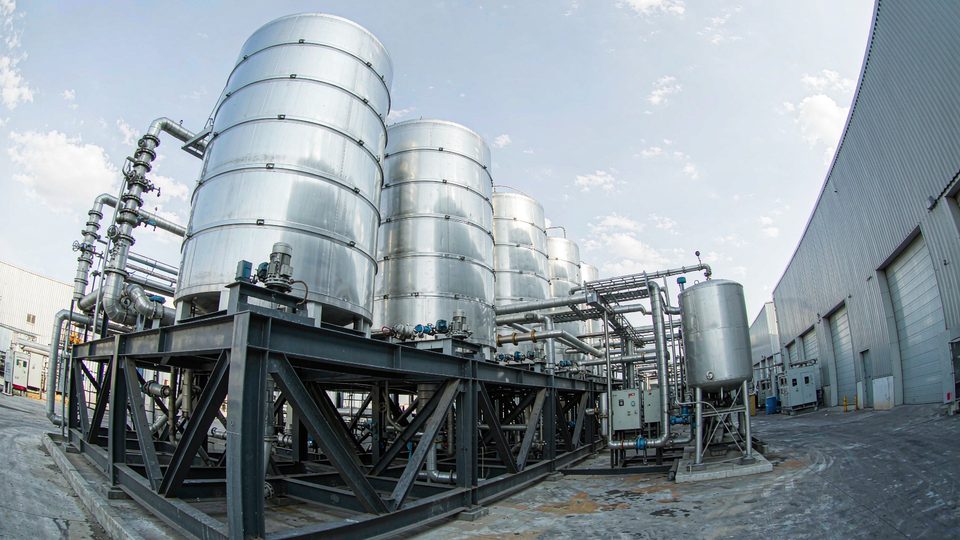
Chemical & Pressure Vessels
Nitric acid, acetic acid, hydrogen peroxide and LNG service demand extreme corrosion resistance, usually with GB 150 / ASME VIII vessel code compliance and full MTC documentation.
- Forming followed by annealing for heads and shells
- 100% ultrasonic inspection report available
- SGS / BV witnessed inspection by appointment
Machinery & Tooling
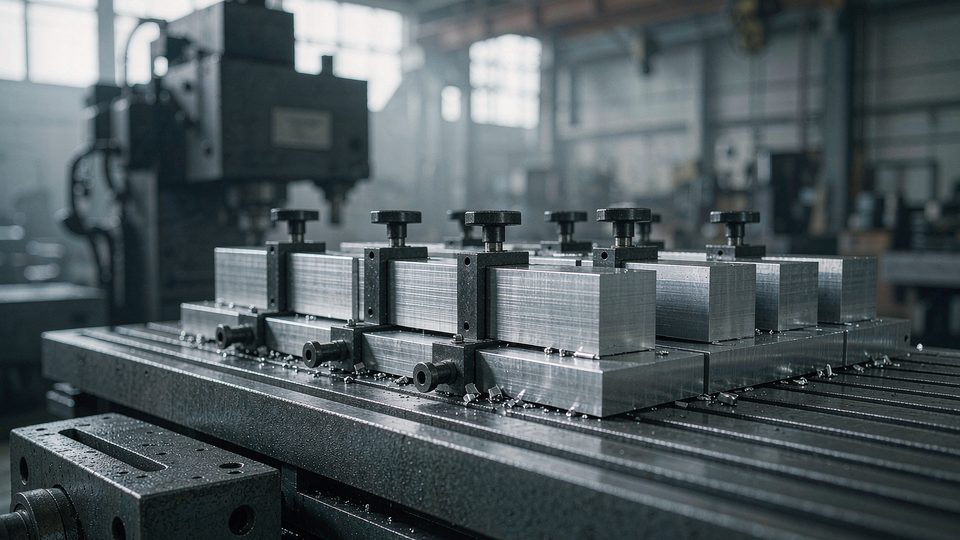
The first requirement for CNC parts is staying flat after machining, which means stress-relieved plate. For automation frames, versatility and anodising quality matter most.
- T651 stress-relieved, high flatness retention after machining
- Hardness uniformity testing to avoid chatter marks
- Cut-to-size, ready for the CNC table
Household Appliances
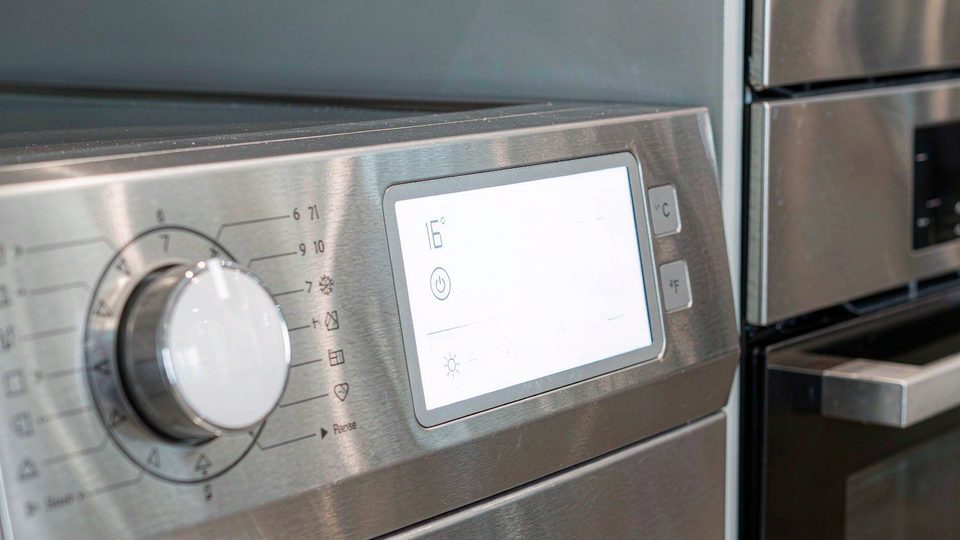
Refrigerator evaporators, hydrophilic AC foil, washer drums, range hood housings and cookware — formability, thermal conductivity and batch-to-batch consistency are what count.
- Hydrophilic coating adhesion and cupping value tested
- Halogen and heavy-metal migration testing (RoHS)
- Coil form for automatic presses and continuous lines