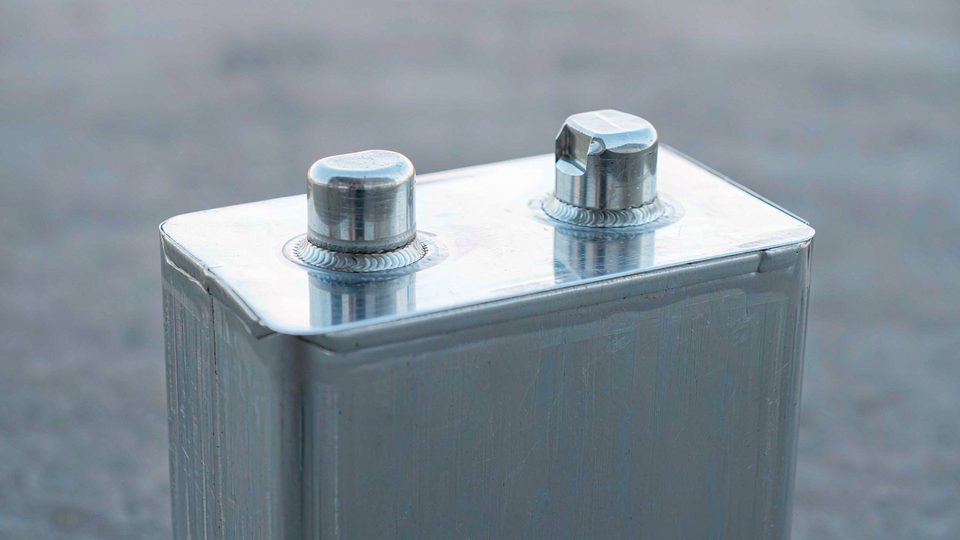
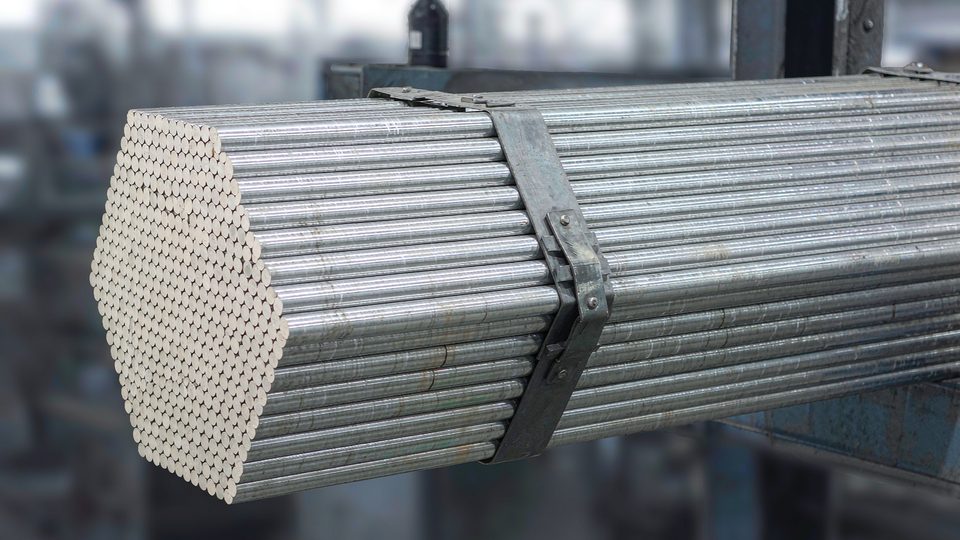
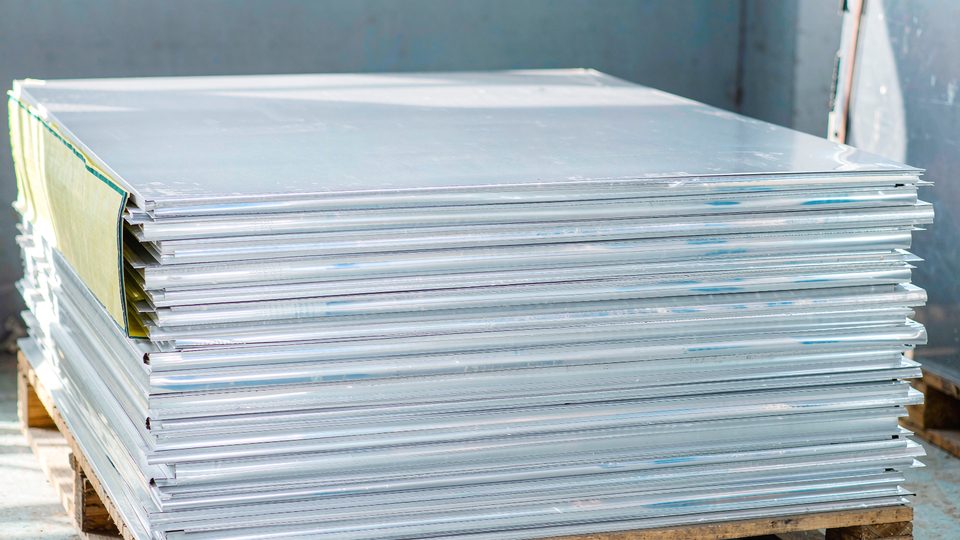
Solid-state cells will not remove the terminal — they will raise the specification on it. We supply 1060 precision rod (Φ18, ±0.05 mm standard) and sheet / strip in O, H14 and H18, feeding prismatic cell, energy-storage and semi-solid battery structural supply chains.
Semi-solid cells land first (2025–2027) and all-solid-state follows (2027–2030). Both still need positive and negative output terminals. Figures below are third-party research ranges.
The selection rule is one line: 1060 where conductivity matters, 3003 where welding and forming matter. Typical supply indicators are listed below.
| Item | Supply Indicator |
|---|---|
| Alloy | Al 1060, purity ≥99.6%. Positive terminal 1060 H14; negative 1060 H112 + copper T2 composite |
| Temper | O / H14 / H18 |
| Dimensional tolerance | Thickness ±3%·T; ±0.2 mm at ≤500 mm width; finished parts typically within ±0.03 mm |
| Rod size | Φ18 mm, ±0.05 mm standard (tighter on request, subject to review) |
| Leak tightness | Leak rate <1.0×10⁻⁶ Pa·m³/s (measured at assembly level by customer) |
| Key properties | High electrical & thermal conductivity (1060 > 3003); low impurities reduce weld porosity |
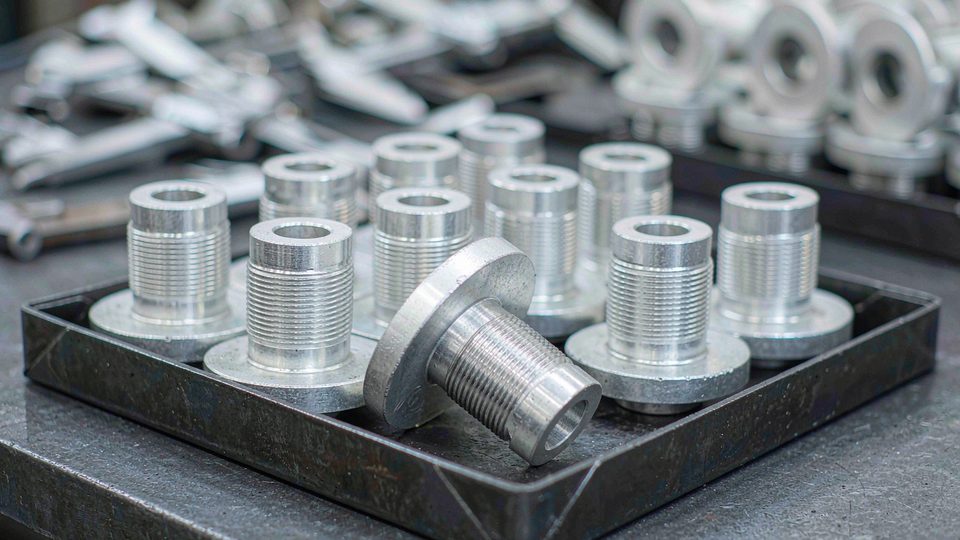
| Surface | Ultrasonic cleaned and air dried, oil-free, dust-free packing available |
| Standards | GB/T 33824 (sheet and strip for battery cases and covers); GB/T 3880; ASTM B209 |
≥99.6% pure. Best conductivity in the aluminium family and fewer weld pores. Strength is not its job.
Burst discs and top covers need welding and forming — the opposite selection logic to the terminal itself.
Semi-solid cells keep the existing prismatic aluminium case, so terminal geometry barely changes — that is exactly the window a precision drawing line can serve directly.
| Dimension | Liquid (today) | Semi-solid (2025–2027) | All-solid-state (2027–2030) |
|---|---|---|---|
| Structure | Prismatic case terminal | Same prismatic terminal, minor process change | Larger prismatic terminals; cylindrical tabless / current-collector substitution risk |
| Sealing | FKM ring + laser weld | IP68, leak <10⁻⁶ Pa·m³/s | 120 °C resistance (GB/T 43568: <0.5% weight loss, 6 h vacuum) + anti-swelling |
| Environment | Standard clean workshop | Dry room, dew point ≤−40 °C | Sulphide line ≤−60 °C fully sealed, continuous dew-point logging |
| Stack pressure | Conventional | Uniformity ±5 kPa/100 cm² (JIS C 8712:2022) | Higher constant pressure; terminal and end plate load-bearing upgraded |
| Traceability | Batch code | MES piece-level traceability | Piece level plus electrolyte material batch |
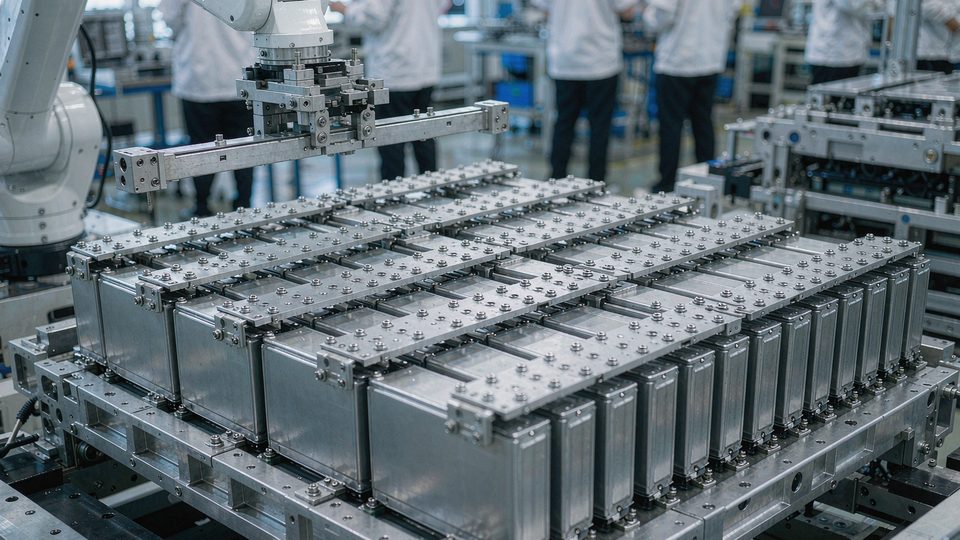
Prismatic aluminium cases account for about 85% of traction battery housings — the largest terminal volume by far.
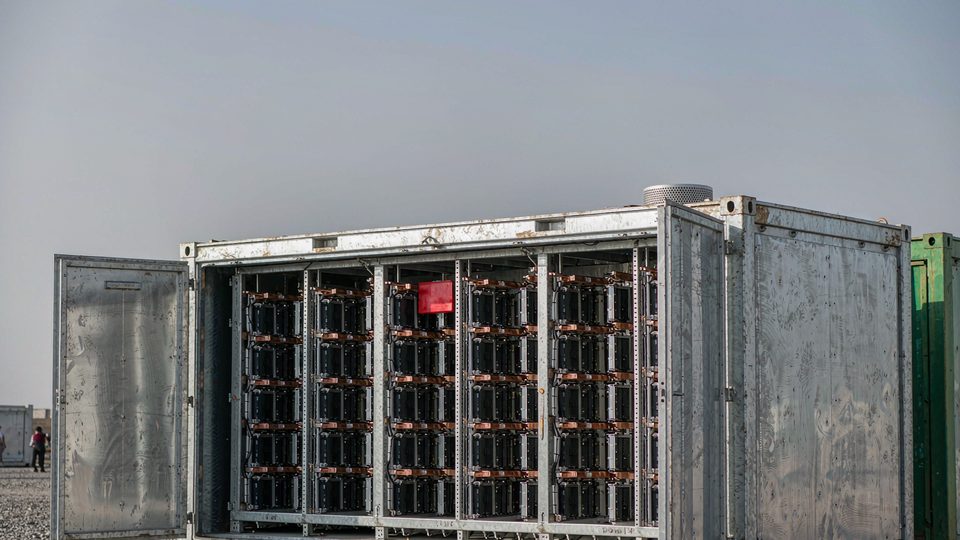
Storage is about 22% of enclosure demand; roughly 80 GWh of new installations expected domestically in 2026.
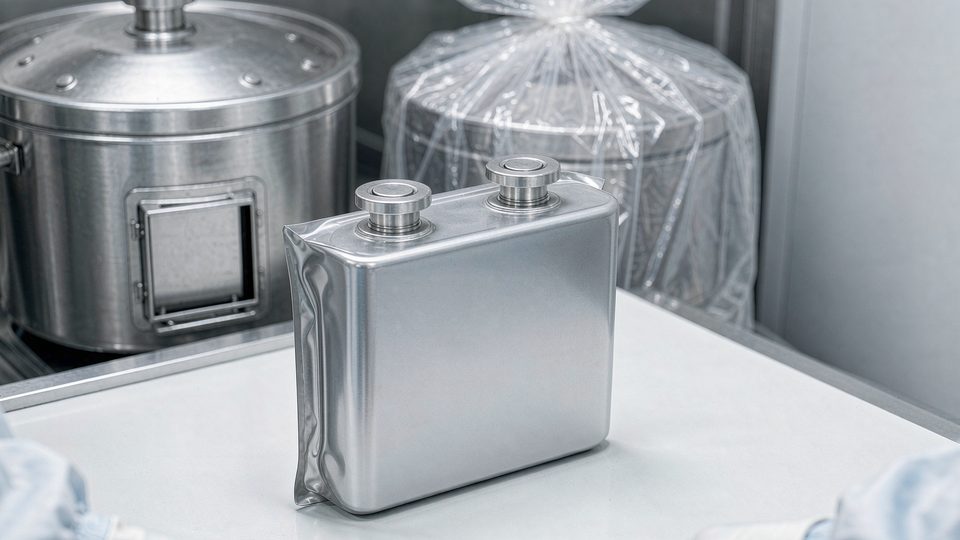
The segment landing first (2025–2027). It keeps current prismatic geometry, so a precision drawing line fits directly.
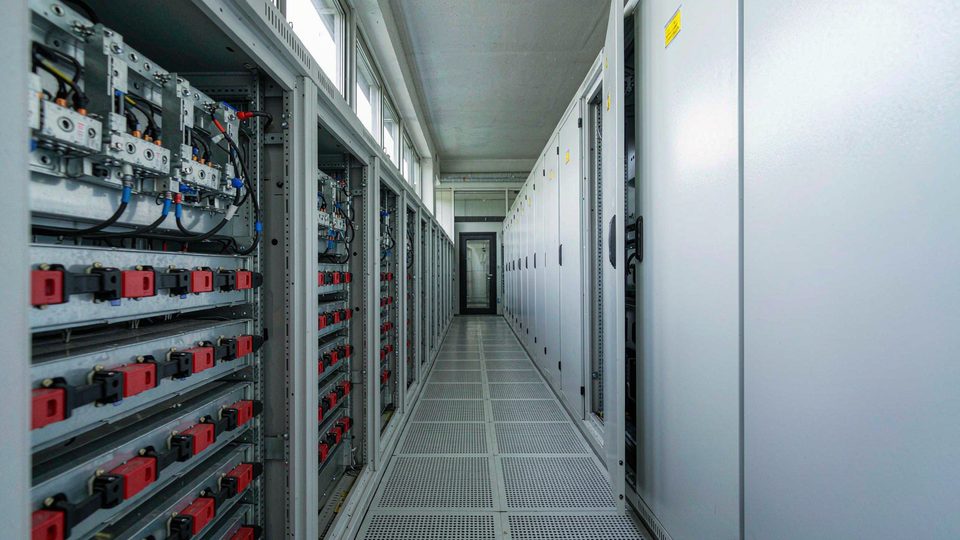
Standby power demand in the US is growing around 6.1% — a lower-tariff entry point for aluminium terminals in North America.
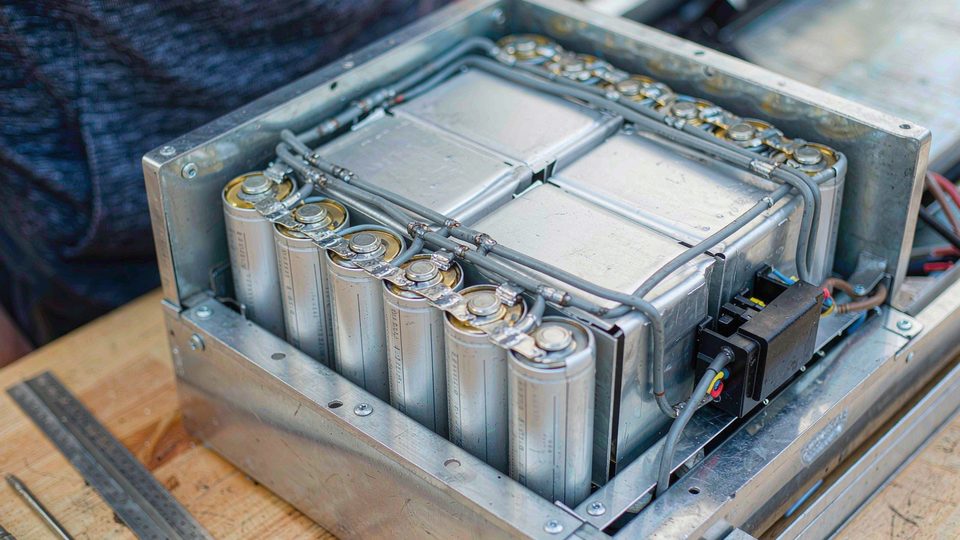
India is the fastest-growing Asia-Pacific market (8–11.2% a year); its Li-ion shift imports high-end terminals.
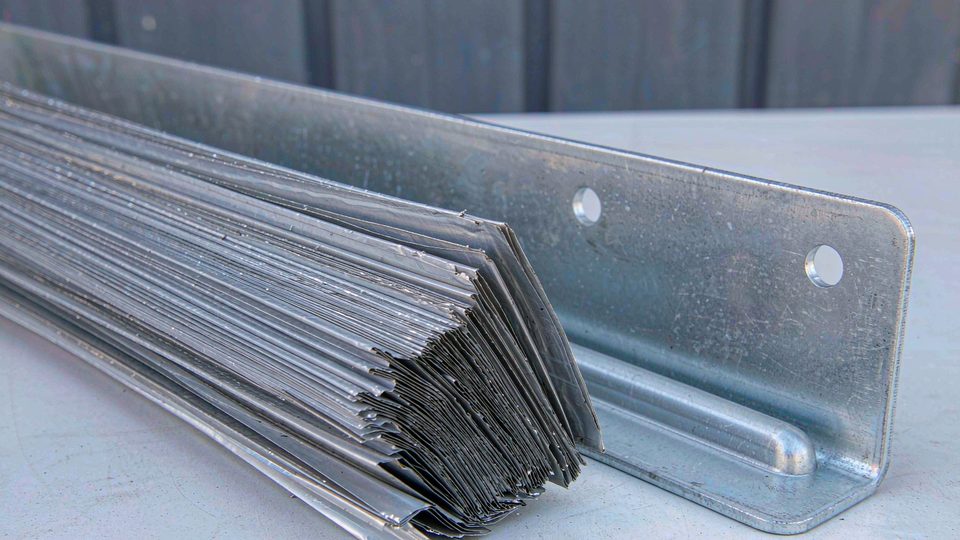
Beyond the terminal itself, in-pack current collection also runs on 1xxx pure aluminium — we supply that alongside.
Below is the standard Tier-1 entry list. We state our current status honestly — anything not yet held is disclosed at quotation stage rather than promised verbally.
Terminals are drawing-driven parts. Give us grade, form, tolerance and end use, and we will tell you straight whether we can make it and to which class.